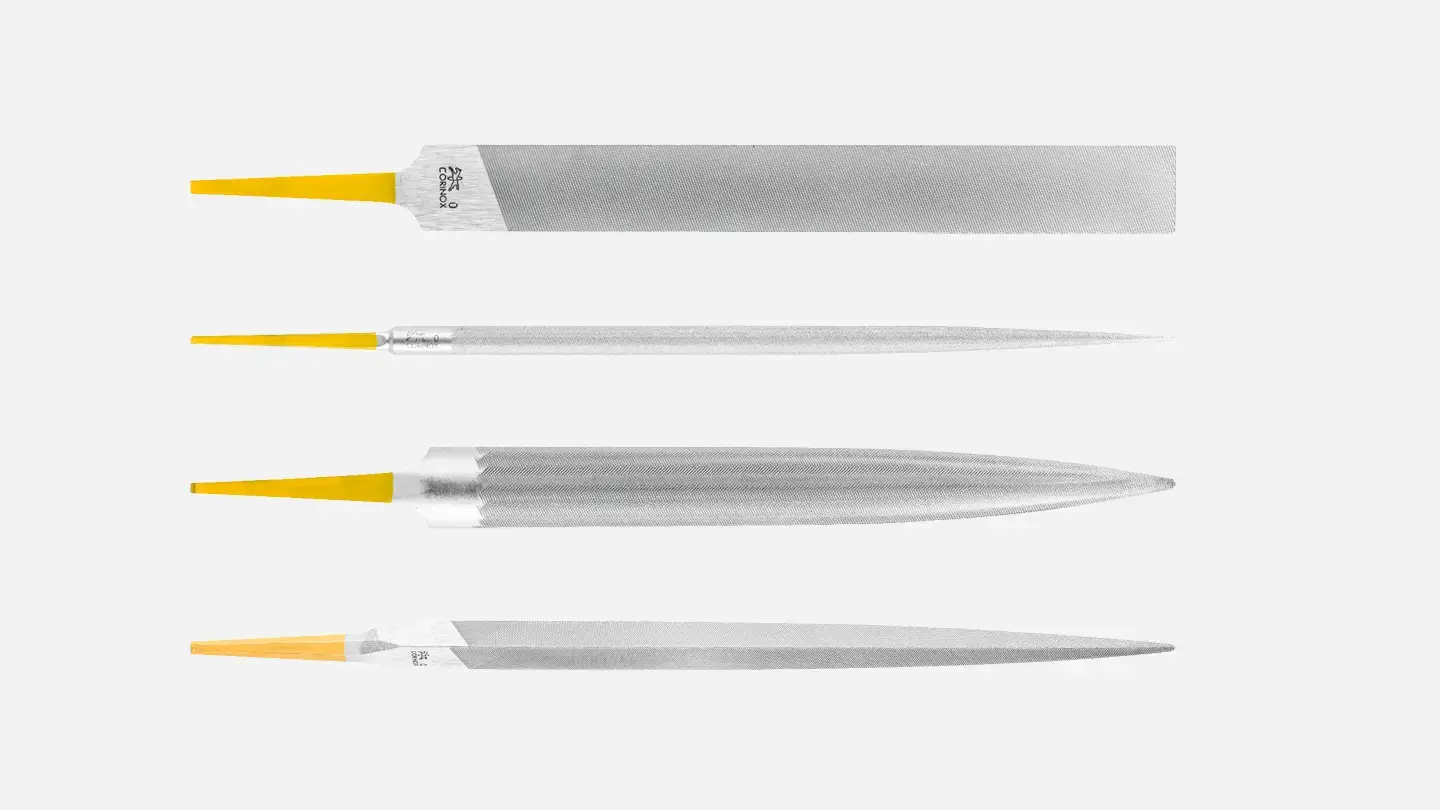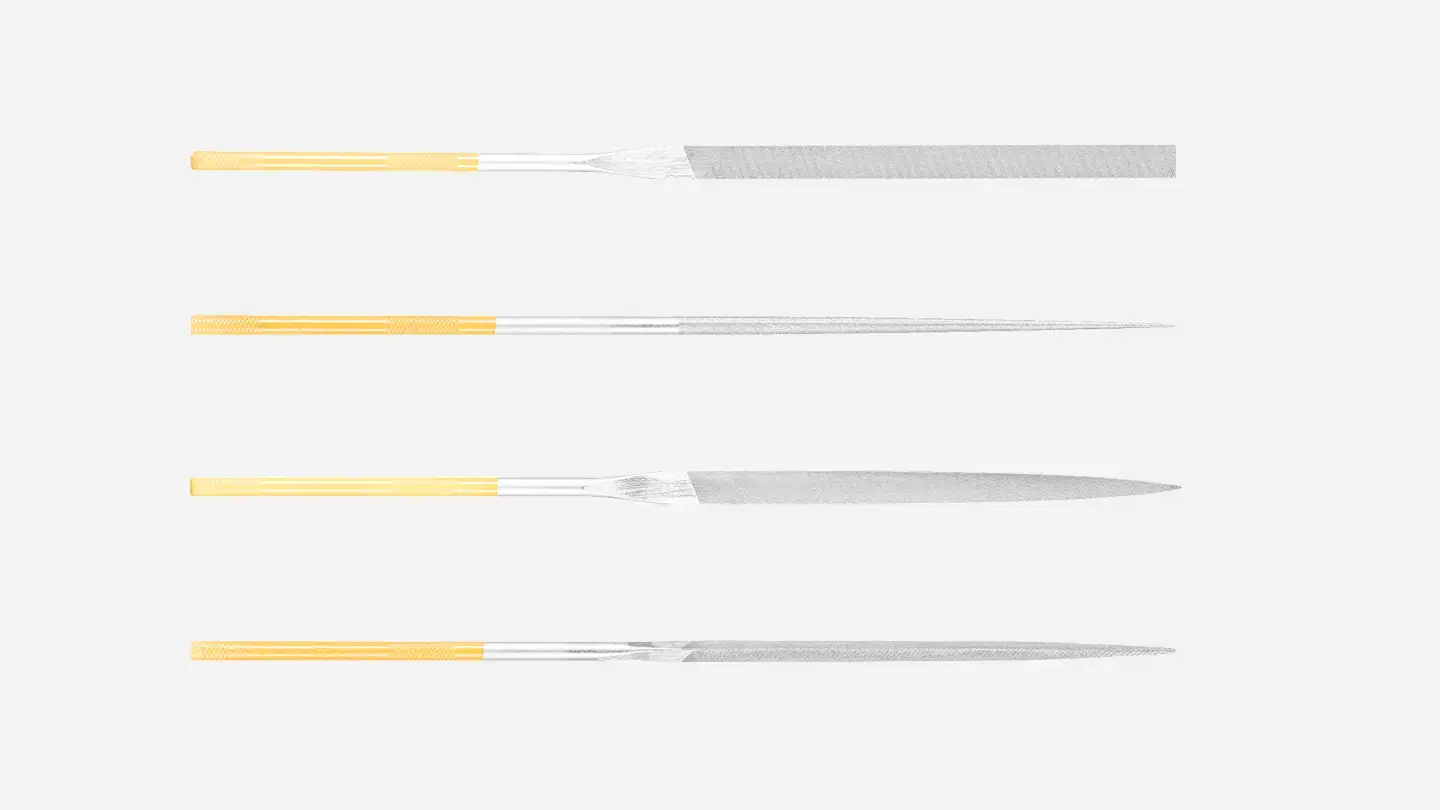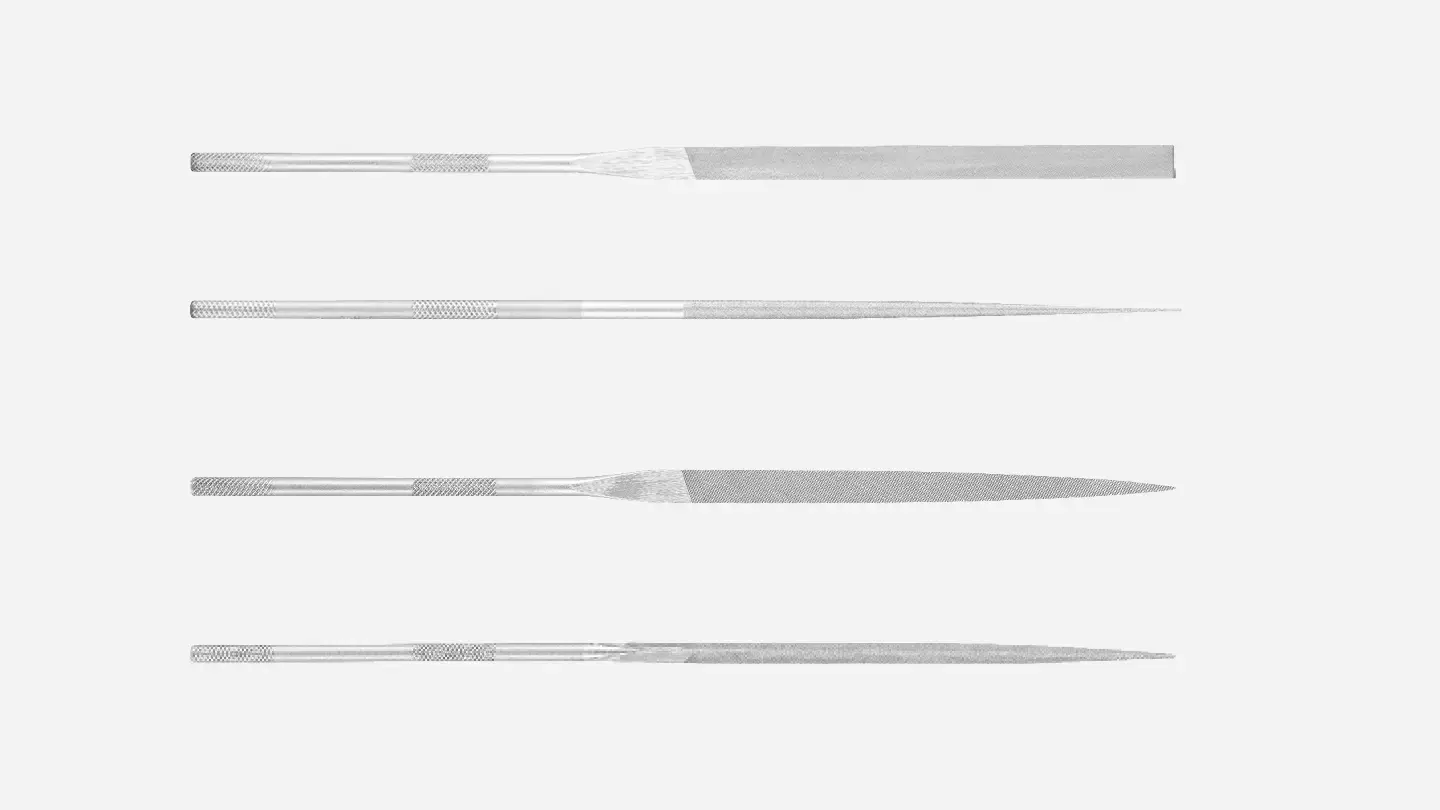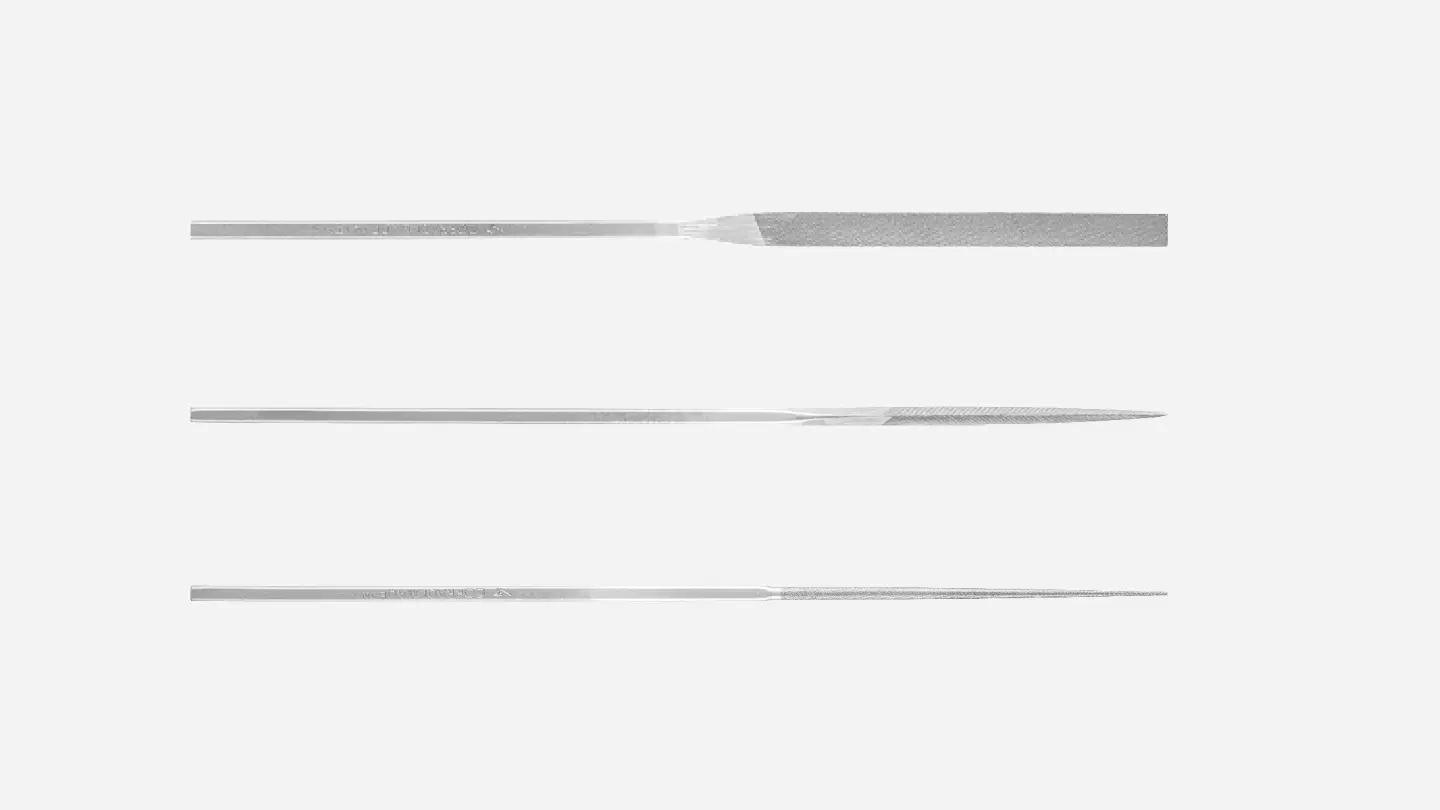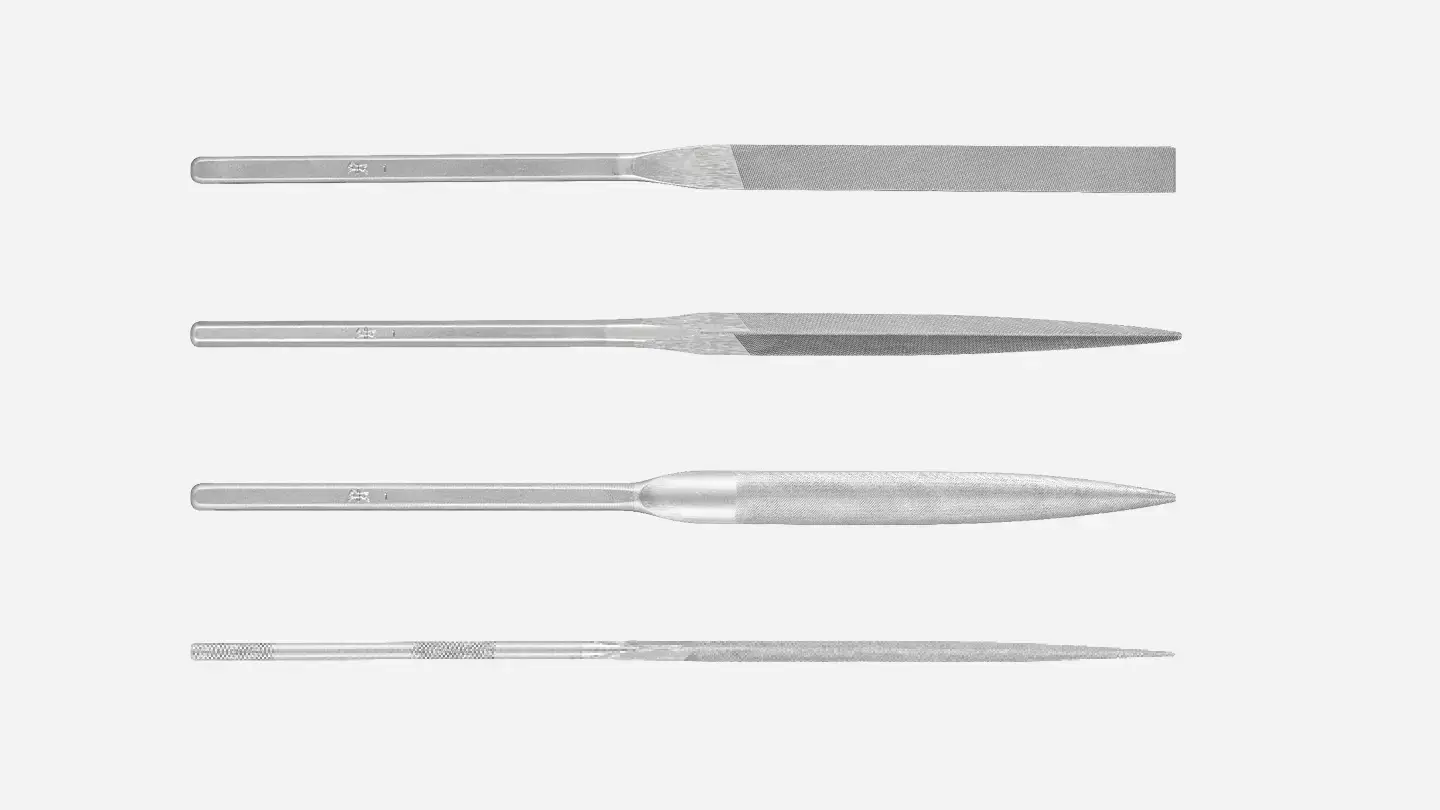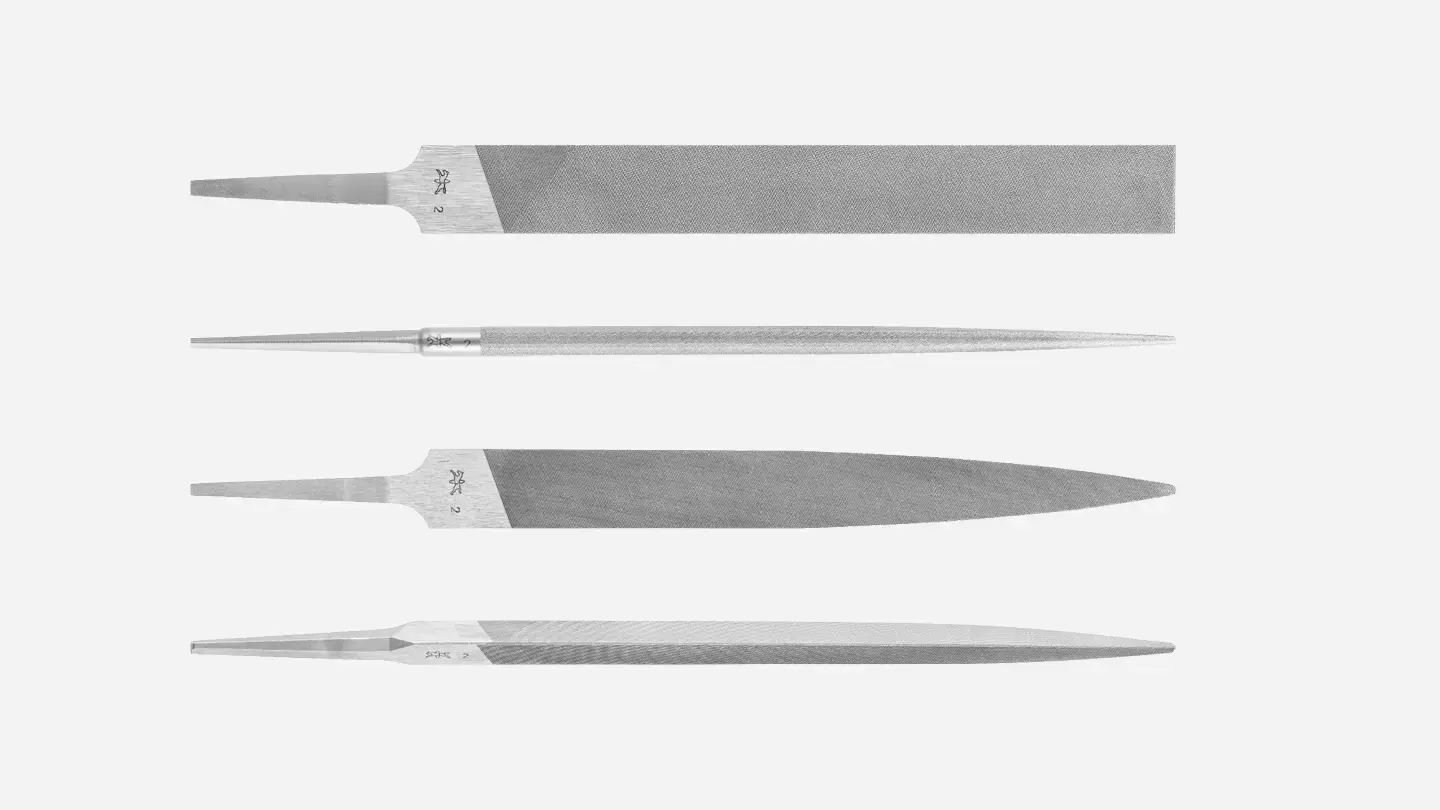
The demands placed on precision files from PFERD TOOLS are nothing less than maximum dimensional accuracy, cutting performance and service life.
Thanks to their precise geometry, precision files are optimally suited for processing the smallest, difficult-to-reach contours.
Advantages
- Designed for small and delicate workpieces.
- Broad selection of extremely precise cuts for a multitude of applications in precision work.
- Exact geometry.
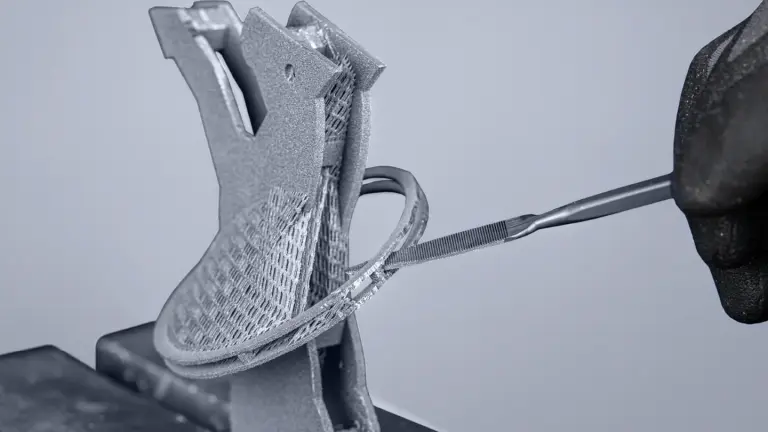
Where are precision files used?
Precision files are used especially in areas that require the greatest precision and surface quality.
Practical examples are, among others:
- Tool and mold-making: Reworking of tools for punching, forming, forging and embossing series-produced items.
- Precision mechanics: Precise filing of very small and filigreed components (e.g., in watchmaking).
- Arts and crafts: Reworking of workpieces (e.g., ornaments, carvings or sculptures).
In which patterns are precision files available?
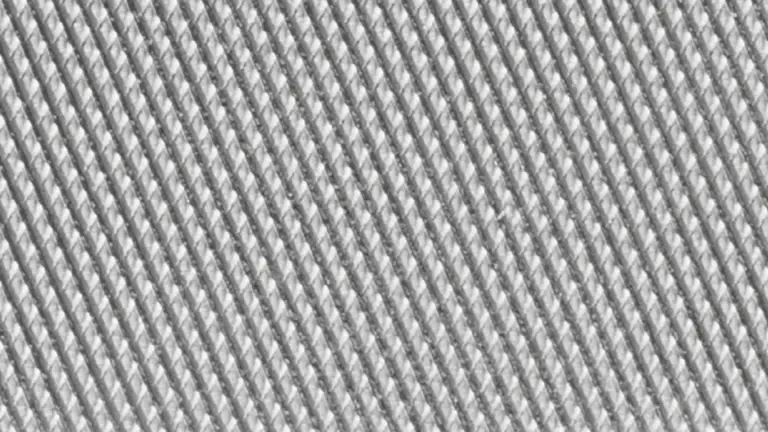
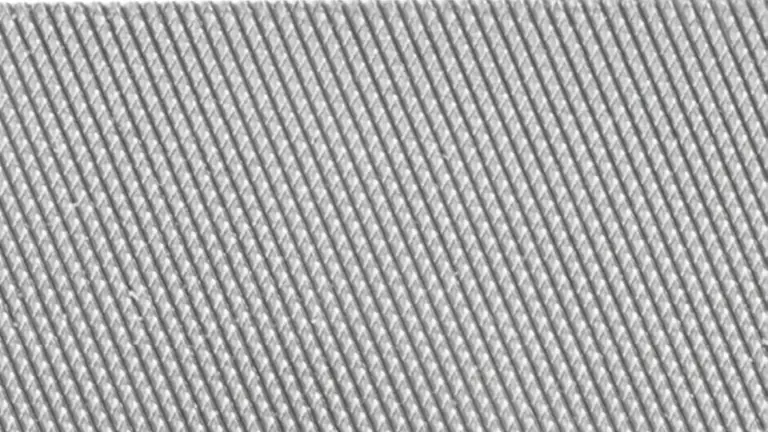
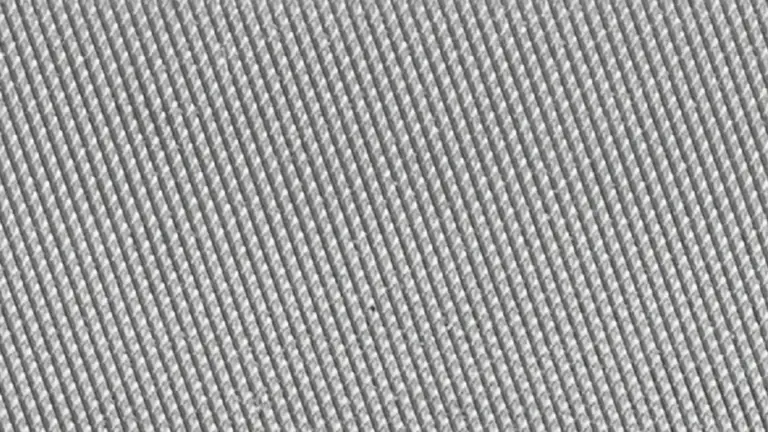
Precision files from PFERD TOOLS have a Swiss pattern cut. The selection of cuts ranges from very coarse (00) to very fine (4):
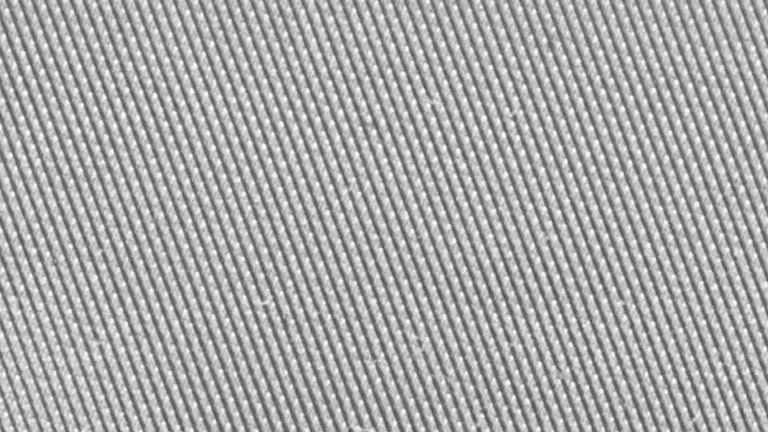
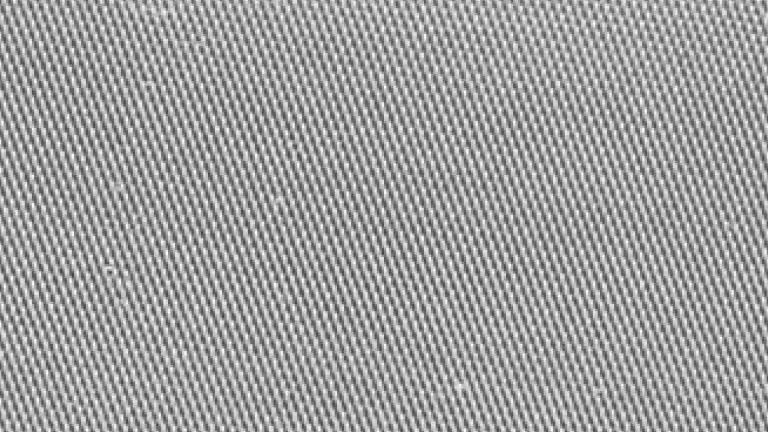
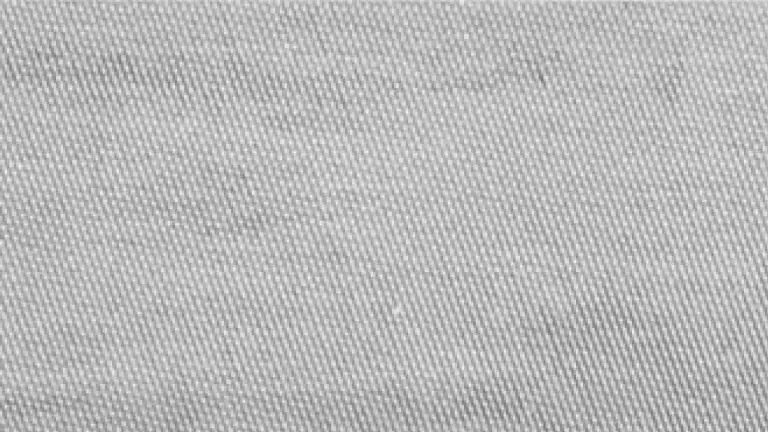
Materials that can be worked
| Steel up to 1,200 N/mm² | Stainless steel (INOX) | High-temperature-resistant materials | Hard non-ferrous metals | GRP/CRP | Wood | Soft stone | |
| Tanged files | X | ||||||
| CORINOX files | X | X | X | X | |||
| Needle files | X | ||||||
| Escapement files | X | ||||||
| Handy files | X | ||||||
| Handy rasps | X | X | |||||
| Riffler files | X | ||||||
| Riffler rasps | X |
Processing tasks
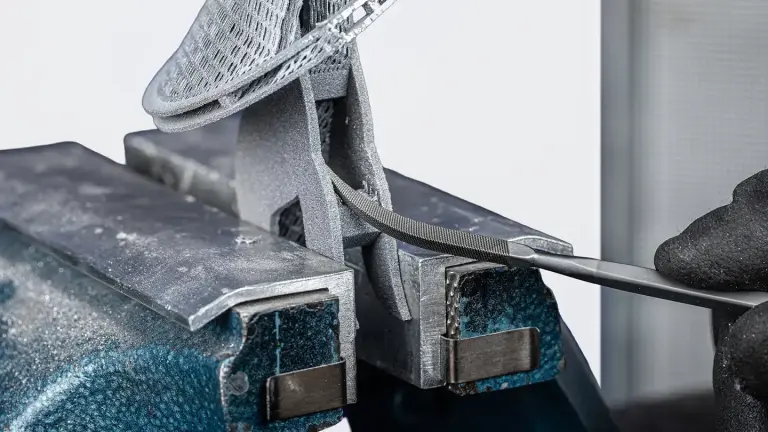
- Deburring
- Surface processing
- Work on edges (chamfering/rounding)
- Smoothing